
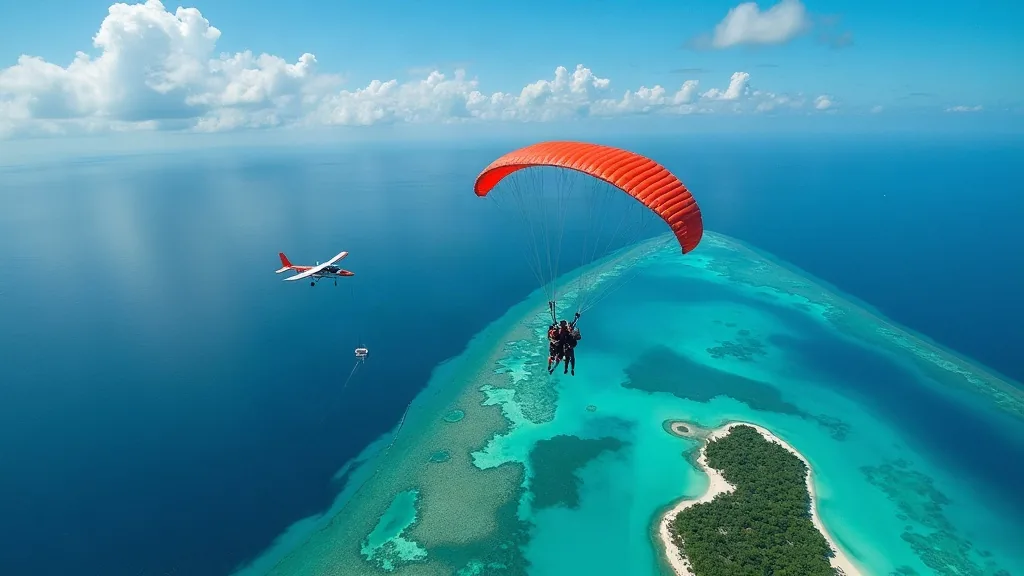
The best time to skydive in Karimunjawa is during the dry season, typically from April to October. This period offers stable weather, clear skies, and minimal rainfall, providing optimal conditions for a safe and enjoyable skydiving experience. Avoiding the monsoon season ensures better visibility and fewer operational delays for your skydiving adventure.
Understanding the Best Time to Skydive Karimunjawa
For enthusiasts planning their aerial adventure, pinpointing the best time to skydive Karimunjawa is crucial. The archipelago’s tropical climate dictates two primary seasons: the dry season and the wet season. Each brings distinct weather patterns that significantly influence skydiving conditions. The KISA organiser sets the event window and runs the jumps; karimunjawaskydive is only the waiting-list desk, so seasonal understanding is offered here as planning context for participants.
Generally, the dry season, spanning from April to October, stands out as the most favourable period. During these months, Karimunjawa experiences less humidity, lower chances of rain, and consistently clear skies. This provides ideal visibility for appreciating the stunning islands, turquoise waters, and coral reefs from thousands of feet above. Conversely, the wet season, from November to March, introduces higher rainfall, stronger winds, and greater cloud cover, which can lead to more frequent operational adjustments or postponements.
Karimunjawa Skydiving Season: Dry vs. Wet
The Karimunjawa skydiving season is primarily shaped by the region’s monsoonal influences. Understanding these variations helps in planning a trip that aligns with optimal skydiving conditions.
- Dry Season (April to October): Characterised by consistent sunshine, gentle breezes, and low humidity. This period offers excellent visibility and stable atmospheric conditions, which are perfect for skydiving. Temperatures remain pleasantly warm, typically ranging from 28°C to 32°C. This is undoubtedly the peak time for any aerial activity in Karimunjawa, promising an unforgettable experience with minimal weather-related interruptions.
- Wet Season (November to March): Marked by increased rainfall, higher humidity, and a greater likelihood of thunderstorms. While there are still many sunny days, sudden downpours can occur, potentially leading to delays or cancellations of skydiving sessions. Winds can also be more unpredictable. Whether any edition ever falls in the wet season is entirely a decision for the KISA organiser; if it did, participants would need more adaptability to the prevailing karimunjawa skydive weather conditions.
Karimunjawa Skydive Weather: Daily Considerations
Beyond seasonal trends, daily karimunjawa skydive weather is watched by the KISA organiser, who alone decides whether a jump goes ahead; the desk has no role in those calls. Key factors that typically shape such decisions include:
| Weather Factor | Ideal Conditions | Impact on Skydiving |
|---|---|---|
| Cloud Cover | Minimal to clear skies | Dense clouds obscure views and can affect altitude awareness. |
| Wind Speed | Calm to moderate | High winds can make precise landing difficult and affect jump stability. |
| Rainfall | None | Rain compromises visibility and can make equipment slippery. |
| Visibility | Excellent | Crucial for enjoying the scenery and safe aircraft operation. |
| Temperature | Comfortable (25-32°C) | Extreme temperatures can affect comfort during the freefall. |
Even during the dry season, occasional brief showers can occur, particularly in the afternoons. However, these are typically short-lived and often clear up quickly, allowing operations to resume without significant delay. Real-time decisions on holding or resuming jumps rest with the KISA organiser and the ground crew and jumpmasters on the day, based on prevailing conditions.
Optimal Months for Your Skydive Adventure
While the entire dry season is favourable, some months stand out as particularly ideal. May, June, and September often provide the most stable and pleasant karimunjawa skydive weather. During these months, the sea conditions are also typically calmer, enhancing the overall travel experience to and from the islands.
Considering the Karimunjawa Skydive Your 2027 International Adventure, remember that the jump window is fixed by the KISA organiser, not chosen by the guest; if the next edition again lands in the dry months, that is the period to build travel around, combining freefall with views of the Indonesian archipelago.
Joining the Waiting List: A 2027 Note
As we look ahead, anyone hoping to jump in Karimunjawa in 2027 should factor in these seasonal considerations, remembering that no 2026 or 2027 edition has been announced and the dates belong to the KISA organiser. Our Karimunjawa Skydiving Packages & Deals Your 2027 Adventure Guide and the waiting list are where the desk shares whatever the organiser confirms; joining the list does not reserve a date, and the desk replies by email from bd@juaraholding.com once there is news on the next karimunjawa skydiving season.
FAQ
What months are best for skydiving in Karimunjawa?
The best months for skydiving in Karimunjawa are from April to October, which corresponds to the dry season, offering stable weather and clear skies.
What is the Karimunjawa skydiving season like during the wet months?
During the wet months (November to March), the Karimunjawa skydiving season experiences increased rainfall and potentially stronger winds, which can lead to operational delays or cancellations. Jumps happen only during a KISA edition whose dates the organiser sets, so flexibility is required.
How does karimunjawa skydive weather affect safety?
Karimunjawa skydive weather significantly impacts safety by influencing visibility, wind conditions, and equipment stability. The safety rules and go/no-go decisions belong to the KISA organiser, not to this desk; jumps occur only when the organiser judges conditions acceptable.